
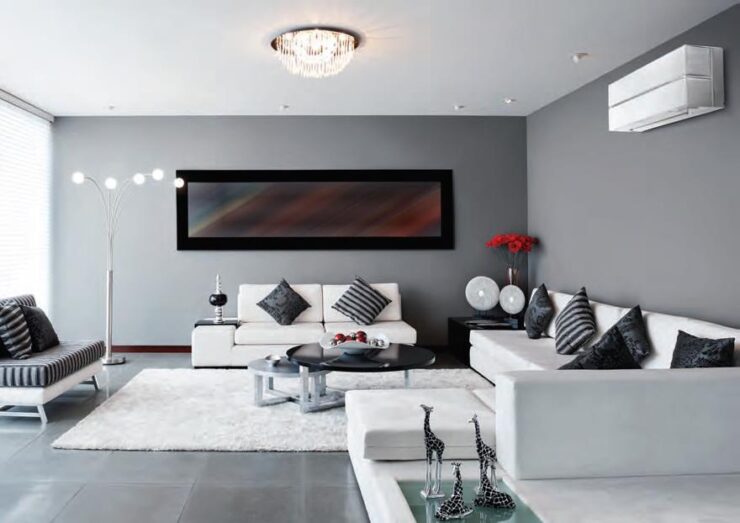
Home Air Conditioning Regulations and Standards


Home Air Conditioning Regulations and Standards

Air conditioning is widely used in UK commercial buildings. However, it is increasingly being installed in private homes.

If you’re planning to install home air conditioning, it’s important to understand the regulations and standards that may apply before you go ahead.

Regulations cover energy efficiency, refrigerants, building regulations, planning requirements and required professional qualifications for installers.

In this blog, we’ve outlined some of the current air conditioning regulations in England that apply to domestic installations. This is only a guide, so you should always carry out your own checks before installing any type of home energy system.

Can you install air conditioning in your home?

Yes, you can. Air conditioning can be installed in existing and new homes.

For a typical domestic installation, such as a wall-mounted split air conditioning system serving a bedroom or up to five rooms, you should consider where indoor and outdoor units can be situated, and you should always have a system installed by a qualified engineer.

Do you need planning permission for domestic air conditioning?

For most small domestic installations, planning permission is usually not required. However, there are factors to consider, such as the location and size of the outdoor condenser, its visual impact, noise, and how it affects the characteristics of the property. These can affect whether planning permission or other restrictions apply.

The Government states that, in most cases, planning permission is not required for a small home installation where it would not materially affect the appearance of the building from outside. It also advises homeowners to check with their local council because there is no blanket rule covering every property.

Consideration should be given to:

  • Listed buildings
  • Conservation areas
  • Flats and leasehold properties
  • Installations visible from public areas
  • Properties subject to specific planning restrictions
  • Systems where noise or appearance could affect neighbouring properties.

If you are unsure, check with the local planning authority in the first instance.

Building regulations and domestic air conditioning

In England, the Building Regulations cover areas including energy efficiency and ventilation. The current Approved Document L (2026) provides guidance on meeting the energy-efficiency requirements of Part L, including separate guidance for dwellings and other buildings.

It is important to use a qualified installer – they will only install equipment that meets Part L regulations.

Remember, domestic air conditioning is not a simple DIY appliance installation.

F-Gas Regulations

One of the most important considerations for homeowners is to ensure that their installer is F-Gas qualified to carry out activities such as installing, servicing, maintaining, leak checking and recovering refrigerant from stationary air conditioning equipment.

The refrigerant used by an air conditioning system matters because UK regulations restrict the use of certain F-gases in new equipment.

A professional installer will specify equipment that complies with the current requirements.

Do domestic air conditioners need a five year inspection?

This is an important distinction between domestic and commercial installations.

The mandatory air conditioning energy inspection requirements commonly apply to systems over 12kW in buildings covered by the relevant Energy Performance of Buildings regulations. A typical single domestic split air conditioning system will generally be far below this capacity so will not require mandatory inspections.

However, domestic air conditioning systems still need servicing after installation. Regular maintenance can help maintain efficiency, performance and indoor air quality and can identify refrigerant or mechanical problems.

Air conditioning and energy efficiency in homes

Domestic air conditioning should also be considered as part of the home’s overall energy performance.

The 2026 edition of Approved Document L contains guidance for dwellings relating to energy efficiency and building services.

When choosing a system, a professional installer will consider:

  • The size of the room
  • The property’s insulation
  • Solar gain through windows
  • The number of occupants
  • How frequently cooling / heating will be required

A qualified installer should carry out an appropriate assessment of the cooling requirement before selecting equipment.

Air conditioning for heating

Modern air conditioning systems are air-to-air heat pumps and can provide both cooling and heating.

This can make them particularly useful for homeowners looking for a system that provides year-round temperature control rather than cooling alone.

The Government has extended the Boiler Upgrade Scheme to include eligible air-to-air heat pumps, including systems capable of providing cooling. Domestic air-to-air heat pumps are also VAT free.

In summary, it’s best to chat with a qualified air conditioning installer before proceeding with any installation. And for total peace of mind, contact your local Authority to confirm that your installation can go ahead under permitted development.

The installer should assess the property, choose compliant equipment and ensure the installation meets the applicable regulatory requirements.

For more information about home air conditioning and regulations, please get in touch and arrange to chat with one of our engineers.


We're local, we're trusted and we're good! Please get in touch.

Book a FREE property survey | Request a FREE quotation | Book a system service

"*" indicates required fields

This field is for validation purposes and should be left unchanged.